
 English
 中文简体
中文简体 русский
Твердосплавные ножи серии B, тип
Cat:Серия твердосплавных ножей
Добро пожаловать на нашу страницу продукции «Твердосплавные ножи серии B»! Наша компания гордится тем, что предлагает...
Смотрите подробности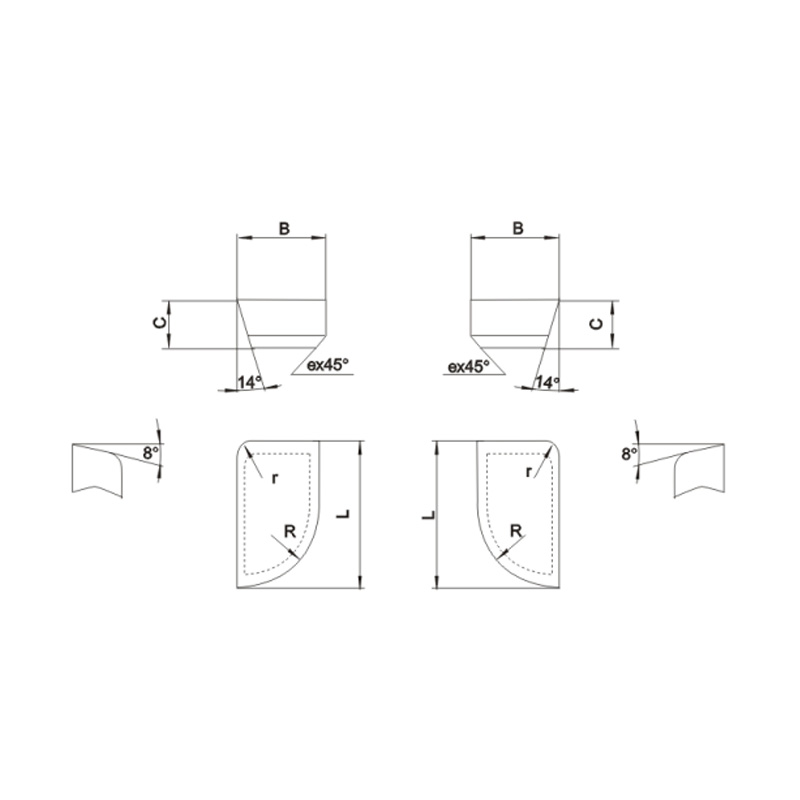
Cemented Carbide Cutting Tools are widely used in modern metalworking because manufacturers need cutting solutions that can maintain dimensional consistency while handling continuous machining loads. For procurement teams and machining engineers, the real challenge is not simply finding a carbide tool, but selecting a tool that matches the workpiece material, machine condition, cutting parameters, and production process.
Different metals create different cutting conditions. Carbon steel, stainless steel, cast iron, aluminum, titanium, and heat-resistant alloys can place very different demands on a cutting edge. A grade designed around wear resistance may not be suitable when interrupted cutting or vibration requires greater toughness.
For this reason, manufacturers should evaluate the workpiece material and cutting operation before choosing a cemented carbide grade. A practical selection should consider hardness, cutting continuity, machining depth, and expected chip formation rather than relying only on general-purpose specifications.
Insert geometry and chipbreaker design have a direct influence on chip formation, cutting force, surface finish, and edge stability. Poor geometry matching can result in built-up material, uncontrolled chips, vibration, or premature edge chipping.
For production applications, engineers should examine whether the cutting geometry fits the feed rate, depth of cut, and material being machined. This approach can help prevent a common mistake: changing cutting parameters to compensate for a tool geometry that is not suitable for the application.
Recent machining studies continue to highlight the role of coolant delivery in tool wear and chip evacuation. Research published in 2026 found that through-tool high-pressure coolant could reduce flank-wear progression during internal boring while improving chip evacuation under tested conditions.
In practical production, coolant should therefore be considered as part of the complete tooling system. Engineers should check:
Tool wear is not always caused by the cutting material itself. Excessive tool overhang, poor workholding, machine runout, or unstable setups can produce vibration and edge damage. Current machining recommendations also identify setup rigidity, runout, cutting parameters, and coolant flow as factors that can influence cemented carbide tool life.
A stable machining setup allows the carbide cutting edge to perform under more predictable conditions and makes tool-life evaluation more meaningful.
For B2B buyers, a lower purchase price does not necessarily create a lower machining cost. Frequent tool changes can increase operator intervention, machine downtime, setup adjustments, and scrap risk.
A more useful purchasing evaluation includes tool consumption, replacement frequency, machining cycle requirements, part quality, and compatibility with existing equipment. Reconditioning is also becoming part of the sustainability discussion for solid carbide tools, with manufacturers exploring ways to restore worn tools instead of treating them as single-use products.
As a cemented carbide cutting tool manufacturer, we recommend evaluating the complete machining condition before confirming a tooling solution. Tool grade, substrate, coating, geometry, holder configuration, coolant method, and cutting parameters should work together rather than being selected independently.
For overseas procurement teams, this approach also makes technical communication easier when developing private-label tooling, standard production tools, or application-specific cutting solutions.
Reliable machining comes from matching the cutting tool to the actual production environment. By paying attention to carbide grade, cutting geometry, vibration, coolant delivery, chip control, and cost per part, manufacturers can make more informed tooling decisions and reduce avoidable process interruptions. For companies sourcing Cemented Carbide Cutting Tools for repeat production, application-based selection provides a practical foundation for consistent machining performance and long-term purchasing value.
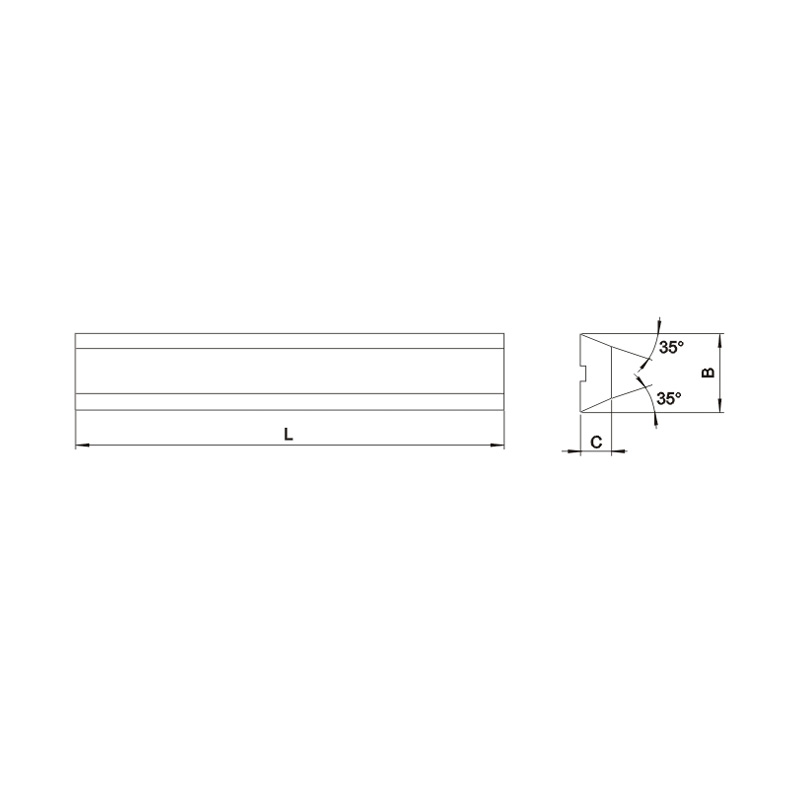
Добро пожаловать на нашу страницу продукции «Твердосплавные ножи серии B»! Наша компания гордится тем, что предлагает...
Смотрите подробности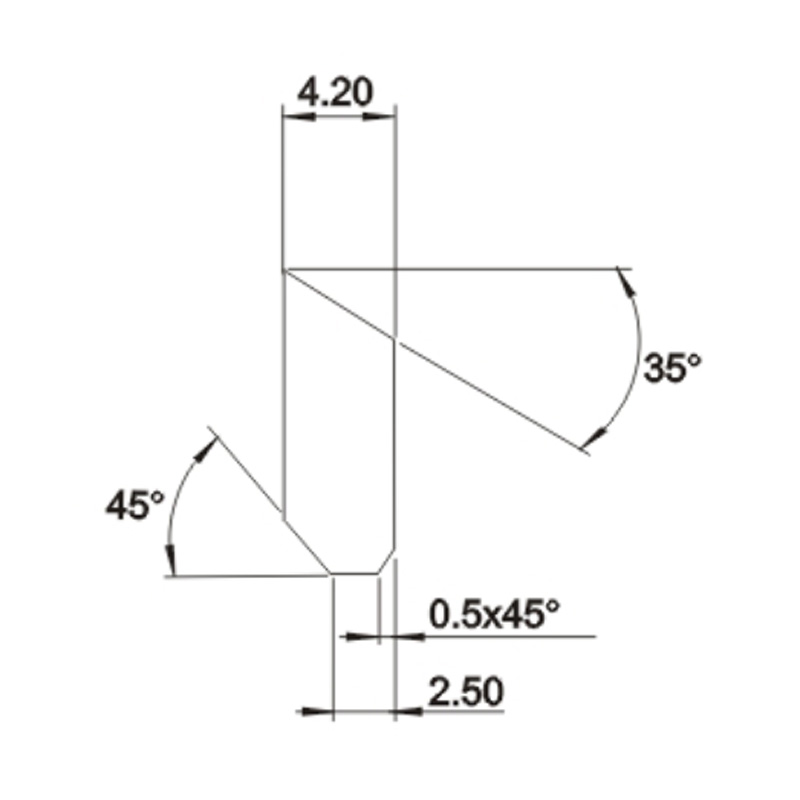
Добро пожаловать на нашу страницу пильных полотен серии MKWPR! Наша компания гордится тем, что предлагает высококачес...
Смотрите подробности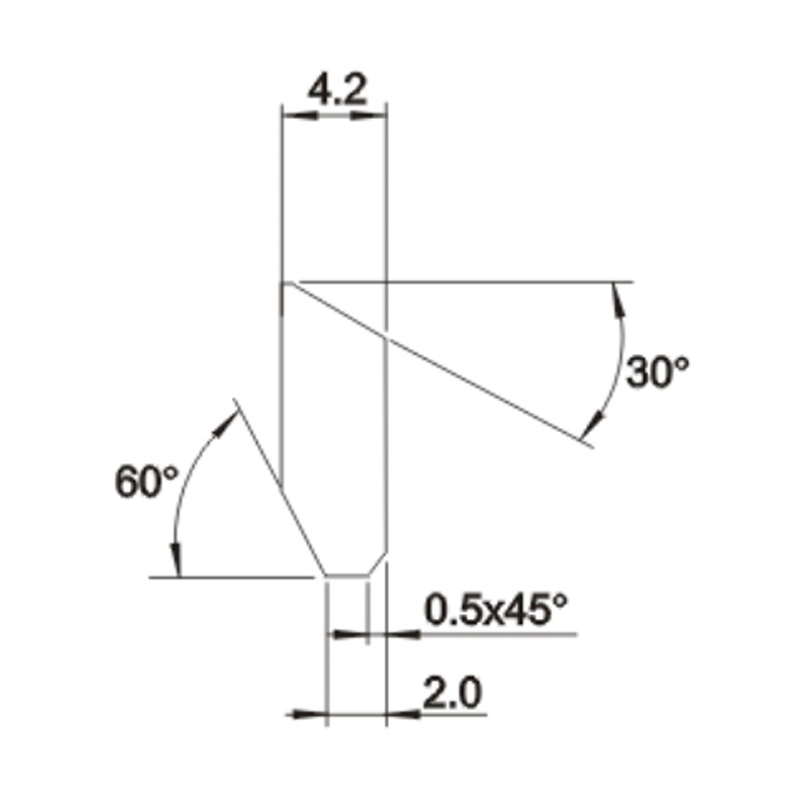
Добро пожаловать на нашу презентацию пильных полотен серии MKW-14! Наши пильные полотна серии MKW-14, изготовленные с...
Смотрите подробности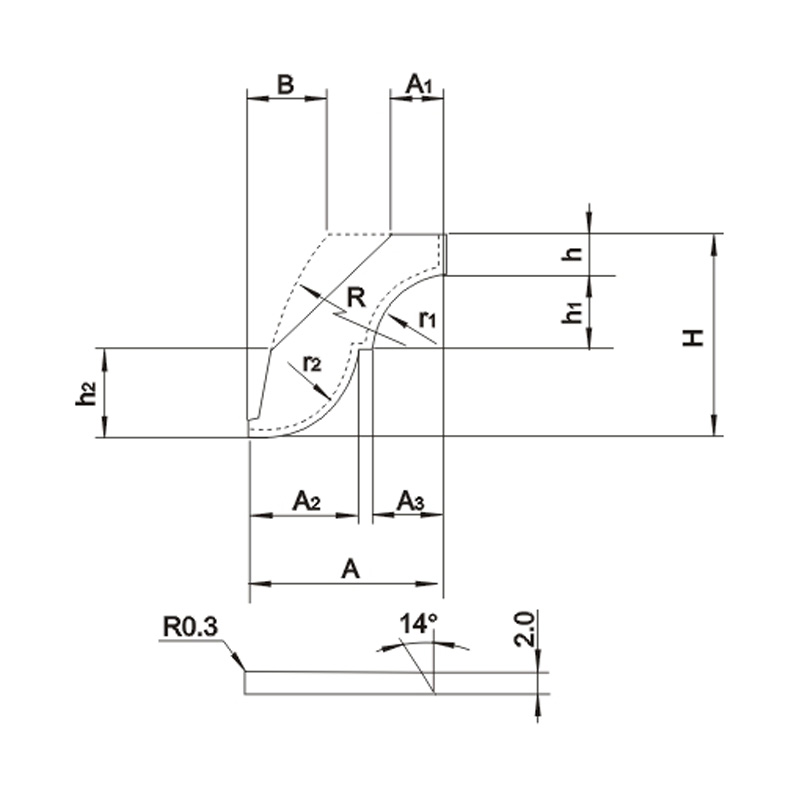
Добро пожаловать на нашу витрину продукции, где представлено лезвие для резки двустороннего профиля кромки дверной па...
Смотрите подробности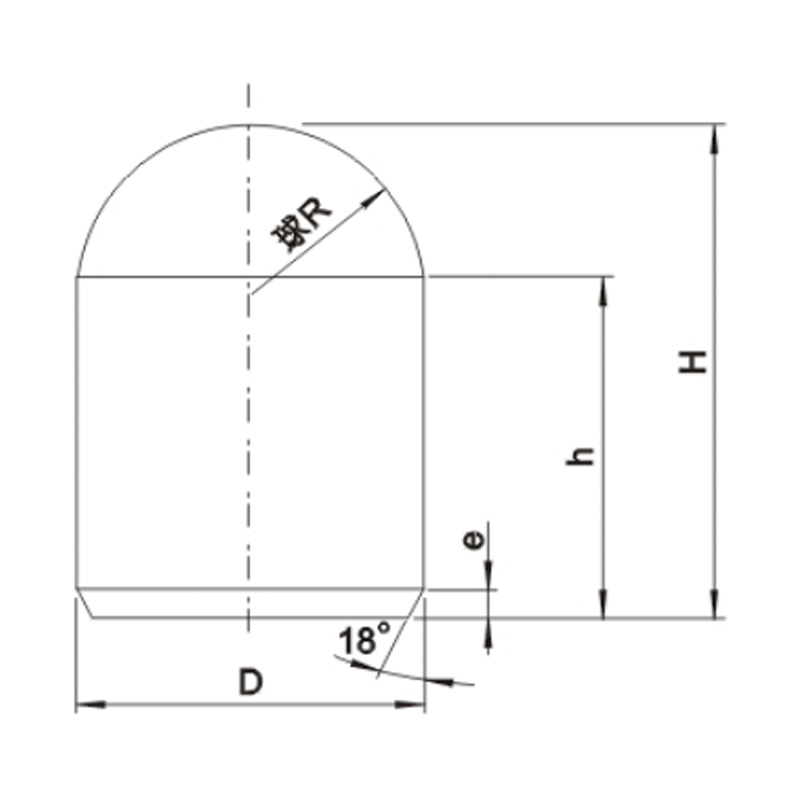
Добро пожаловать в нашу линейку твердосплавных пластин типа DQ (сферический зуб типа Q), вершину долговечности и эффе...
Смотрите подробности
Связаться с нами